For years we’ve been taught that the antidote to our physical pain, and even our emotional distress, lies exclusively in the medicine cabinet. And while a Western, biomedical approach to healing can treat lots of ailments, it’s important to remember there’s really no such thing as a “magical pill” to achieve long-lasting wellness.
Certainly there is a time and a place for pharmaceuticals, notes preeminent plant healer, certified coach, and DailyOM course creator Juniper Stokes. “I think all of us who have experienced pain are immensely grateful for modern medicine and the immediate relief it can give us,” she says.
Yet, if we’re relatively healthy but need extra mind-body support, Stokes suggests trying plant medicine — and establishing plant-fueled practices that bolster us over time. “When we’re in an ongoing, deepening relationship with herbal remedies and rituals, we are able to meet the challenges of life with a stronger baseline of resilience,” she says. “Plants [may] provide a way back to ourselves. They ground us to what’s actually true, so we’re not bypassing our health or our pain.”
Interested in learning more? Check out Apothecary Secrets, Remedies, and Rituals for Lasting Relief.
If you’re new to the world of plant-powered apothecary medicine, it can feel vast and a tad overwhelming. The good news is that there’s an easy yet potent way to begin your journey into the realm of herbs and botanicals — and it can be as simple as starting at home, with everyday ingredients and tools.
Meet Your Teacher: Juniper Stokes
Juniper Stokes is a botanical alchemist with a focus on the realm of sacred aromatics, or the art of using fragrant plants for spiritual practice, healing, and deepening into who we really are. She’s the founder of Alchemessence, through which she offers online courses and one-on-one coaching, as well as botanical perfumes, wild medicines, and flower remedies. Stokes is a Sacred Depths certified practitioner and has completed professional teacher training in shamanism, yoga, pranayama, meditation, and astrology. Her popular Substack, The Mythoanimist Path, explores cross-cultural and nature-based wisdom.
“Working with plants connects us to the broader ecosystems and realms of existence that we live within,” she says. “We can all tune into the way our ancestors lived in a deep, authentic relationship with the natural world, partnering with plants for wellness, wholeness, joy, and creativity.”
What Are At-Home Apothecary Practices?
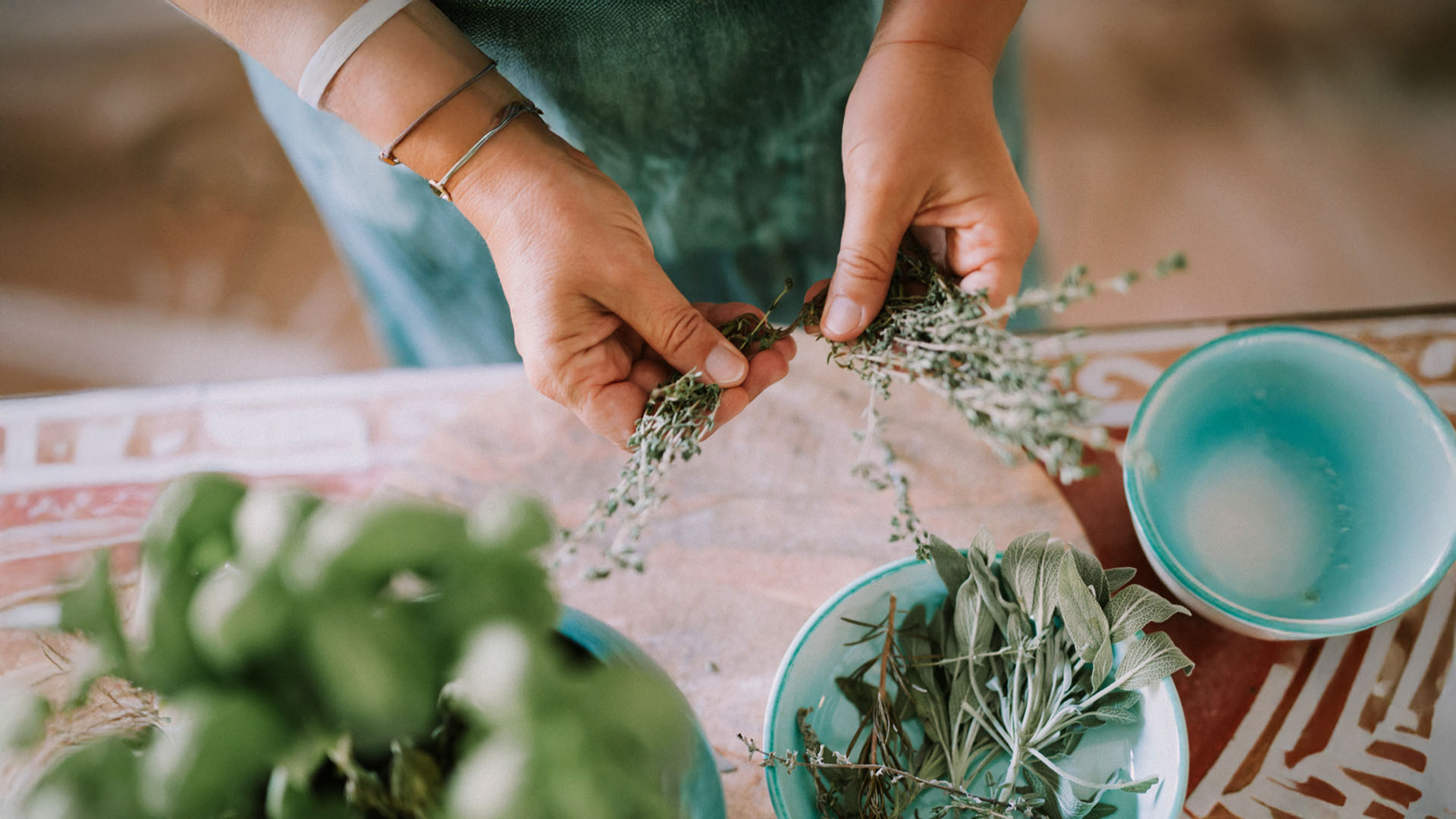
Generally speaking, Stokes defines apothecary practices as “any time we’re engaging with plant partnership for inner wellness — whether that’s physical wellness, emotional connection, or a deeper spiritual experience of our days,” she explains. “We’re bringing plants in and creating remedies with them. Teas, infused oils, aromatic baths, and herbal broths, for example, can all become part of our home-based apothecary practice.”
Nurturing our well-being with apothecary practices isn’t just about the raw materials or method of preparation employed; our intention plays an important role in their effectiveness. “These practices become rituals when we do them with intention, bringing in the relationship of knowing [what] we’re choosing from the plant world, the gifts [it] brings, and how we’re collaborating to create remedies in this ritualistic way,” says Stokes. “When we live in a more ritualistic, meaningful way, we transform the mundane to the magical. This is how we cultivate greater presence and meaning on an ongoing level.”
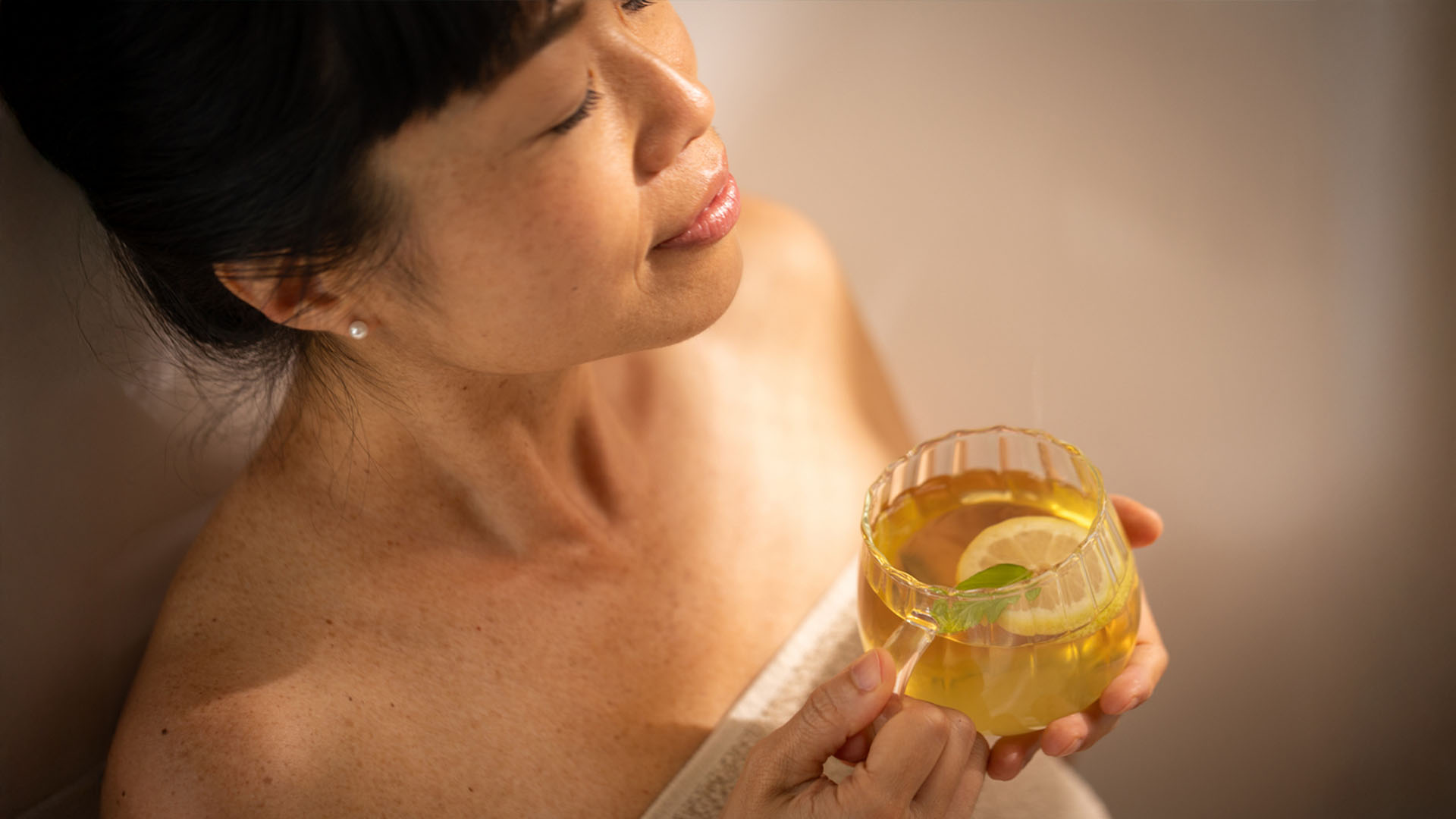
Practically speaking, Stokes says this could look like mindfully sipping a cup of nettle or peppermint tea as a way to connect with those plants, with yourself, and with that moment of calm or presence. It might also be an immune-boosting herbal broth that nourishes both the body and soul, hydrotherapy with a relaxing herbal bath, or bedtime tea rituals that help us wind down and prepare for restorative sleep.
Key Things to Know About At-Home Healing Rituals
- Rituals begin with your intention. Stokes suggests asking yourself the following: Why are you having this ritual? What do you want to experience? What effects are you trying to create in partnership with the plants?
- Presence amplifies efficacy. “Really being aware and present for the entire ritual helps focus your intention into your actions,” Stokes shares. “This is one of the reasons I love working with plants — for presence and peace. Our senses cultivate presence. The more we can engage with our physical senses, the more in the moment we naturally arrive. And engaging with plants in a sensory way is so effective for coming into presence.”
- Adding gratitude emphasizes the practice. According to Stokes, approaching a ritual from a place of gratitude elevates the entire experience and opens your heart to the deepest possible transformation that ritual can bring you.
- Simplicity is your friend. All you need to get started is a heating source, a cup, and a handful of plants, Stokes tells us. As you progress on your journey, you can slowly incorporate other tools if desired.
- Rituals don’t have to be time-consuming or laborious. They shouldn’t feel like hard work, Stokes says. “A cup of tea takes the time it takes to make a cup of tea, but some can be more involved, because it can feel really good to drop into a bigger container for deeper types of plant work,” she explains. “You’ll always be able to do what works for you in your lifestyle and the time that you have.”
- Always approach with caution and consult your healthcare provider. When we’re considering incorporating plants into our lives, Stokes says there are some safety issues to keep in mind. If you’re taking any medications or dealing with a chronic condition, make sure to consult your doctor about potential contraindications first, she says. For example, “pregnancy is a really tender time of life; there’s a whole world of herbalism for pregnancy and it’s important to educate yourself,” says Stokes. “And the same goes for children. A lot of what is perfectly safe and fine for adults requires a little bit more precaution with children.” It’s always a good idea to consult your healthcare provider before making any changes to your (or your family’s) everyday regimen. Also note that the U.S. Food and Drug Administration (FDA) doesn’t regulate herbs, botanicals, or supplements in the same way it regulates drugs, so make sure to check product labels for USP, NSF, or ConsumerLab approval, which indicates the product has undergone third-party testing for quality and purity.
Why Are Herbal Rituals Important?
According to Stokes, working with botanical rituals on a daily basis has the potential to uplift every level of our well-being. The plants and how we work with them may help bring balance to our bodies and prevent aches and pains from arising in the first place, she explains. “The commitment and repetitive rhythms of the rituals are signaling to our minds that we are worthy of care and that our intentions matter.”
A comprehensive research review found the natural compounds present in plants (such as alkaloids, flavonoids, and terpenes) may have possible antioxidative, anti-inflammatory, and antimicrobial mind-body benefits — though researchers have concerns over issues like quality control and lack of regulation and standardization of herbal products.
Plant-based rituals may be especially powerful when it comes to regulating our emotions, bringing relief from anxiety and stress while ushering in a sense of grounded peace, Stokes notes. “When we’re engaged in partnership with the plants, we feel emotionally held by the ritual and cared for by our team of plants in a way that fills us up with a sense of love and wellness,” she says. In turn, this may contribute to ongoing, sustainable wellness, she adds.
A meta-review found some limited evidence suggesting the possible effectiveness of specific herbs for certain psychiatric disorder symptoms (St. John’s wort, curcumin, and saffron for major depressive disorder, as well as ginkgo for schizophrenia), though the authors concluded further research is needed on a deeper, broader level to better understand these findings.
Our relationship with plants may heighten our spiritual connection, too, Stokes says. “Ancestrally, in every culture of the Earth, spirituality started with connecting to the Earth itself,” she explains. “Plants bridge us to this type of deep spiritual connection that is ancestral. It’s in our DNA. Our bodies recognize it, and our spirits respond to it.”
All told, however, Stokes points out that herbal rituals aren’t a cure-all. “Being in relationship with plants doesn’t guarantee we won’t have hard times or experience health challenges — that’s part of being human,” she says. “Challenges are going to come up for all of us, no matter how many cups of tea we drink.” It’s wise to view apothecary rituals as a tool in your wellness kit, and above all, continue to consult your healthcare practitioner and listen to your intuition.
7 Possible Health Benefits of At-Home Apothecary Rituals
Simple apothecary practices can powerfully weave plants into the natural rhythms of your day, Stokes tells us. “From morning to night, you’re building this ongoing relationship with your plant allies,” she says.
Here, Stokes shares some of the potential holistic wellness perks you might experience from regularly working plant rituals into your routine.
1. You may experience deeper nourishment and increased vitality
Working with plant medicine doesn’t provide an overnight cure — rather, its effects are slow and steady, but may be impactful to the physical body over time, Stokes notes.
“Many of the herbs we work with — like nettle and oatstraw — are incredibly rich in bioavailable minerals like calcium, magnesium, iron, and silica,” she says. “When you drink nourishing infusions regularly, you’re feeding your body at a cellular level with nutrients that support everything from bone health to steady energy to vibrant hair and skin.”
2. You may bolster your nervous system to better regulate stress
Specific herbs like oatstraw, lemon balm, and chamomile may be particularly beneficial for emotional well-being, since they purportedly support and strengthen the nervous system. “Regular use helps you respond to stress more gracefully, reduces anxiety, and builds resilience over time,” says Stokes, drawing from her experience. “Rather than just numbing symptoms, these plants actually help your nervous system function better, so you have more capacity to handle whatever life brings.”
A systematic review linked herbal medicine to the possible reduction of psychosomatic symptoms (like those of depression and anxiety); however, the authors emphasized the need for more rigorous clinical testing.
3. You may improve digestive health and gut wellness
According to Stokes, daily herbal rituals that support digestion may create a ripple effect of wellness throughout the entire body. It’s well documented that a healthy gut is foundational to overall health, affecting everything from immunity to mood, according to the Harvard T.H. Chan School of Public Health.
“Plants like peppermint, dandelion, and ginger [may] support every aspect of digestion — from stimulating digestive enzymes and bile flow to soothing upset stomachs and reducing bloating,” Stokes says.
4. You may boost immunity for a stronger baseline of well-being
Unlike harsh immune system stimulants that you only use when you’re sick, there are gentle tonics you can work with daily to keep your immune defenses robust, Stokes tells us.
“Herbs like nettle, astragalus, and medicinal mushrooms help build and maintain a strong immune system,” she says. “They help your body maintain that baseline of health so you’re less vulnerable to illness in the first place.”
Indeed, some institutions like the National Center for Complementary and Integrative Health (NCCIH) and Memorial Sloan Kettering Cancer Center explore the possible immune system perks of these herbs, nodding to existing research and its limitations.
5. You may feel more emotionally balanced and heart centered
When we work with certain plants in ritual — such as rose, lemon balm, and chamomile — Stokes says we’re receiving their energetic gifts of comfort, love, and emotional support. “This heart-centered healing is something we all need, especially in challenging times.”
She adds that these plants may help regulate mood, ease sadness and anxiety, and support emotional resilience. (According to research, the Cleveland Clinic, and the NCCIH, each of these herbs, respectively, has shown some purported perks for mood.)
6. You may feel more bodily attunement and connection to the Earth
In a world that constantly pulls our attention outward and upward into our heads and screens, herbal practices anchor us back to ourselves and our surroundings, Stokes shares.
“Root medicines like dandelion and burdock, as well as the practice of making decoctions and tending a simmering pot, help us come back into our bodies and feel more grounded,” she says, speaking from her experience. “This grounding is essential for both mental clarity and emotional stability.”
7. You may feel more empowered by this form of self-care
“Perhaps the most profound benefit is the way these practices transform self-care from an afterthought into a sustainable, daily ritual,” Stokes says. And vice versa: This ritualistic, routine approach may help imprint the importance of self-care.
For example, she explains, “When you make your morning infusion or evening tea with intention, you’re telling yourself, ‘I am worthy of care. My wellness matters.’ This consistent practice of tending to yourself — body, mind, and spirit — creates a foundation of self-love and worthiness that affects every other area of your life. It’s not just about the herbs; it’s about the relationship you’re building with yourself through the plants.”
The Bottom Line
At-home apothecary practices can offer a powerful, accessible bridge between everyday life and the restorative wisdom of the natural world. By transforming simple acts — like steeping a cup of tea or simmering a nourishing broth — into mindful rituals, you may bolster your physical vitality, regulate your nervous system, cultivate a deeper sense of self-worth, and more.
Although plant-powered rituals can be potent, they aren’t meant to be quick fixes — and their benefits for mind, body, and spirit grow with time. As you begin your journey into herbal partnership, remember to start simply, lead with intention and gratitude, and always prioritize safety by consulting with your healthcare provider.
Ultimately, these rituals are about more than just plant medicine; they are a commitment to honoring your own well-being and reconnecting with the ancestral rhythms that ground us to the Earth and ourselves.